
What Are the Best Spellmistake SEO Tools to Fix Typos and Boost Rankings?
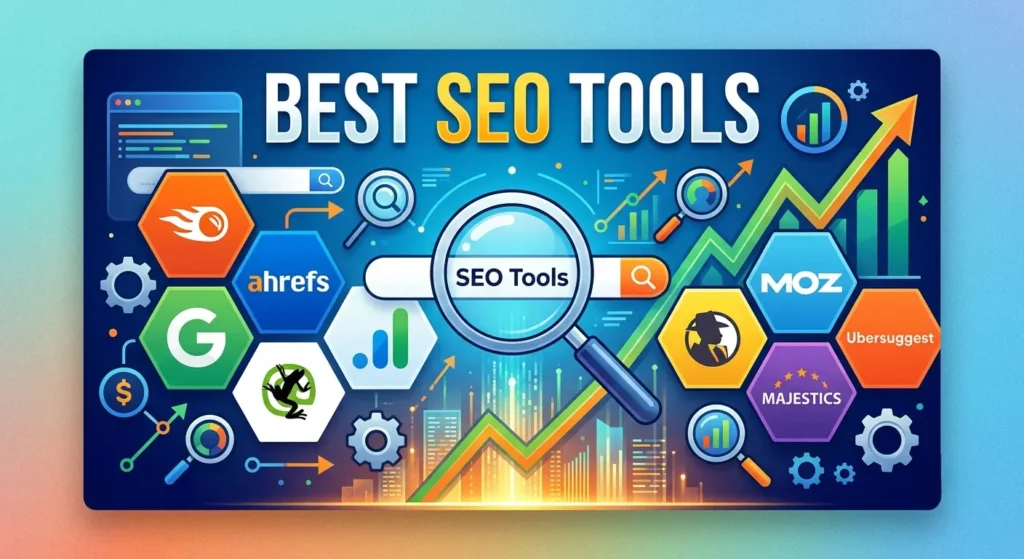
What Are the Best Spellmistake SEO Tools to Fix Typos and Boost Rankings? A minor typo in a title tag or meta description might not seem like a big deal, but it becomes a problem when it starts affecting your clicks, rankings, and credibility. Search engines prioritize content that is accurate, well-structured, and written by someone with subject-matter expertise; spelling errors negatively impact all these factors. This is where ‘spell-mistake SEO tools’ come into play. Going far beyond standard spell-checkers, these tools link spelling accuracy directly to keyword targeting, technical SEO, and user experience. In this guide, we will explain what spell-mistake SEO tools actually do, highlight the best options available in 2026, and show you how to create a workflow that ensures spelling errors don’t quietly undermine your search performance. What Are Spellmistake SEO Tools and Why Do They Matter? SEO-focused spell-checking tools are software platforms designed to detect and correct spelling and grammar errors while keeping SEO context in mind. Unlike the standard spell-checkers found in word processors, these tools understand that “SEO Brisbane” and “SOE Brisbane” are not the same; they recognize that a misspelled keyword in a URL slug or heading can completely undermine your targeting efforts. A high-quality SEO spell-checking tool typically examines the following elements: Body content, headings, and blog copy Meta titles and meta descriptions URL slugs and anchor text Image alt text Schema markup and structured data fields Google’s fundamental technical SEO guidelines emphasize content that is clear, well-organized, and user-centric. Spelling errors harm content on both a textual and technical level; therefore, treating spelling correction as an integral part of SEO rather than just a routine proofreading task can make a measurable difference. How Spelling Mistakes Hurt Your Search Rankings Google does not penalize a page for the occasional typo, but a pattern of persistent spelling errors sends signals that impact several ranking factors: Keyword mismatch: A misspelled keyword like “digitial marketing” won’t match how people actually search, meaning the page fails to capture the traffic it was intended for. Lower click-through rate: Typos in meta titles or descriptions signal carelessness in search results and can quietly reduce click-through rates. Weak E-E-A-T signals: Google’s quality guidelines prioritize Experience, Expertise, Authoritativeness, and Trustworthiness. Poor spelling undermines the credibility of your content. Broken schema markup: A misspelled property name in structured data can prevent the markup from being read correctly, affecting how your page appears in search results. Higher bounce rate: Visitors who spot typos often leave the page quickly; this drop in engagement is a signal that search engines eventually pick up on. These issues rarely ruin a single page entirely on their own. The real damage accumulates across dozens of pages and months of content publication, which is why spell-checking should be part of your regular on-page SEO process, rather than just a one-time cleanup task. Best Spellmistake SEO Tools to Fix Typos and Improve Content Quality Here is practical information on tools that are beneficial to use; they are categorized into content-level checkers and technical, site-wide auditing tools. 1. Grammarly Grammarly is one of the most widely used tools for checking spelling and grammar, available as a browser extension, desktop app, and mobile keyboard. It identifies spelling errors, awkwardly phrased sentences, and tone-related issues in real-time. Additionally, its new AI layer detects patterns resembling ‘keyword stuffing,’ helping to make your writing sound more natural and appealing to both users and search engines. 2. ProWritingAid ProWritingAid is designed for long-form content. In addition to correcting spelling and grammar, it provides detailed reports on word repetition, sentence variety, and stylistic consistency throughout the document. It is highly useful for those who regularly publish blog posts or landing pages. 3. Hemingway Editor Hemingway Editor focuses on readability rather than in-depth grammatical analysis. It highlights overly complex sentences, passive voice, and clarity issues, making it a useful secondary check after using an SEO tool that catches spelling errors. 4. QuillBot QuillBot offers AI-powered paraphrasing alongside grammar and spell-checking features. It is particularly useful when you need to correct a sentence containing spelling or keyword errors without altering its original meaning. Additionally, it includes a plagiarism checker as an extra quality control feature. 5. Screaming Frog Most SEO professionals use Screaming Frog for broken links and redirect chains, but it also crawls your entire site to identify issues like misspelled anchor text, inconsistent keyword usage across page clusters, and typos in meta descriptions. For sites with hundreds of pages, it transforms content quality maintenance into a process you can actually audit, rather than something discovered merely by chance. 6. LanguageTool LanguageTool is a robust open-source alternative to Grammarly. It supports multiple languages and offers both free and premium plans. It integrates seamlessly with browsers, Google Docs, and various CMS platforms, making it an excellent choice for teams that want spelling and grammar checking capabilities within their existing writing workflows. How to Choose the Right SEO Tool for Spelling Mistakes for Your Website The right SEO spelling-check tool depends on your site’s size and where errors are most likely to occur. Solo bloggers and small sites: A single content-level tool like Grammarly or LanguageTool is usually sufficient. Growing businesses: Combine a writing tool with a technical crawler like Screaming Frog to catch spelling errors in metadata and URLs as well. This is a common oversight in SEO for small business websites; they publish content regularly but rarely audit it on a large scale. Large sites or agencies: Using a combination of Semrush or Ahrefs for site-wide audits and a writing tool for drafting ensures coverage across both content and technical layers. Budget is also a factor. Many of these tools offer functional free tiers, while paid plans provide benefits such as team collaboration, detailed reporting, and higher usage limits. If you are weighing the cost of the tool against the value of professional SEO support, our SEO pricing guide for Australian businesses outlines what a realistic budget looks like. Best Practices to Prevent Spelling Errors
What Are the Best Spellmistake SEO Tools to Fix Typos and Boost Rankings? Read Post »